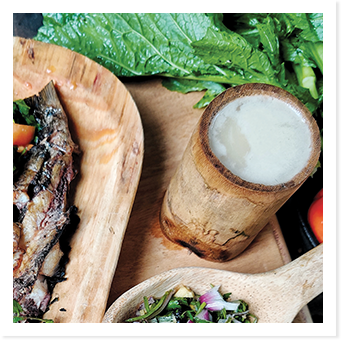

Assamese cuisine reflects its culture and traditions, distinct from the rest of the country. Prepared with minimal oil and zero overpowering commercial spices, it allows natural riverine freshness and botanical herbs to shine.
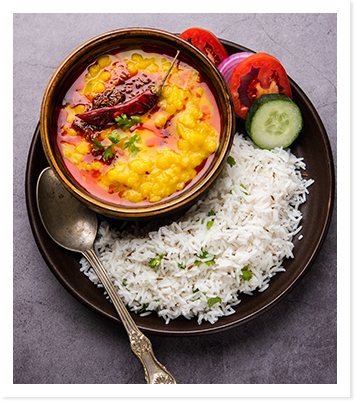
Food is traditionally relished in Sarthebari bell-metal vessels (Kanh), revered for alkalizing food and promoting digestive wellness.
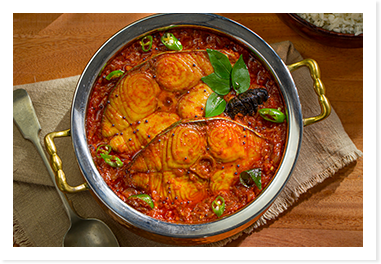
Freshwater curries and tender stews are braised slowly with ginger, garlic, mustard paste, and native souring fruits over wood embers.
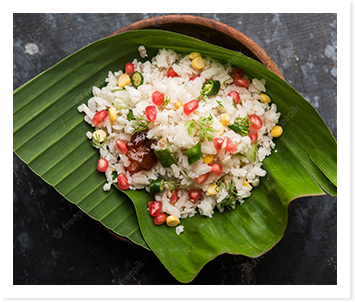
Over 100 wild riverbank herbs, fiddlehead ferns (Dhekiya), and tender mustard greens infuse meals with organic vitality.
Jolpaan is the sacred breakfast of Assam, showcasing grains that require no industrial refining or elaborate cooking.
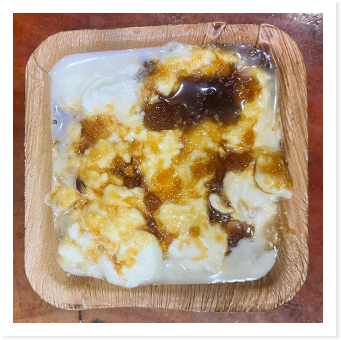
Kumol Saul is one of the world's most miraculous indigenous cultivars. Harvested in the river-drenched plains of Assam, it has an ultra-low amylose content that enables it to cook entirely without fire! By merely steeping the raw grains in normal room-temperature drinking water for 40 to 45 minutes, the grains plump into tender, fragrant, fluffy rice.
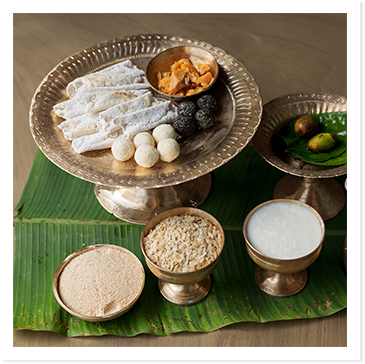
Bora Saul (Assamese sticky glutinous rice) has sustained generational agrarian vitality across the Brahmaputra valley. Its high amylopectin content creates an irresistible natural chewiness.
Beyond the breakfast table, Bora Saul forms the foundational batter for festive Bihu Pithas, ceremonial feast offerings, and sacred tribal rice brews. It is an enduring symbol of warmth, presented to every honored guest entering a traditional household.
Discover the culinary stars of Assam. Each dish combines indigenous botanicals, river fish, and ancient slow-braising crafts.
Khar is the quintessential opening dish of an Assamese meal. The soul of the recipe is Kola Khar—an alkaline liquid filtered through the charred ashes of sun-dried Bhimkol banana peels and trunk. Cooked with raw green papaya (Omita Khar), gourds, or charred fish heads, it gently cleanses the palate and neutralizes stomach acids.
A meal in Assam is incomplete without freshwater fish. Maasor Tenga is a light, golden broth prepared with pristine Brahmaputra river fish—such as Rou (Rohu), Borali, or Chitol. Tempered with fenugreek seeds in raw mustard oil, it is soured with seasonal souring fruits: Ou Tenga (Elephant apple), sun-dried Thekera, cherry tomatoes (Koni Bilahi), or green mango.
Pitika signifies a rustic hand-mash, and Aloo Pitika is the ultimate comfort food for every Assamese worldwide. Boiled or hearth-roasted potatoes are vigorously hand-mashed with pungent, raw cold-pressed mustard oil (Kesa Xoriohor Tel), finely minced raw shallots, fiery green chillies, and sea salt.
Freshwater fish steaks or sweet river sprats are marinated in stone-ground mustard paste (Xorioh bata), minced ginger, garlic, slit bird's-eye chillies, and raw mustard oil. The fish is tightly bundled inside scorched banana leaves and roasted over glowing embers until smoky, tender, and infused with herbal aromas.
A revered tribal delicacy celebrated across Assam. Tender pork cuts are slow-braised with crushed ginger-garlic paste and fresh green chillies without commercial spices. Once the meat renders its natural juices, fresh broadleaf mustard greens (Laai Xaak) are tossed in, wilting into an earthy, richly savoury stew.
The centerpiece of winter celebrations. Rich duck meat is slow-cooked over firewood with chunks of fragrant ash gourd (Joha Kumura). Tempered simply with cracked black peppercorns, ginger, roasted cumin, and bay leaf, the melting sweetness of the gourd cuts through the duck's hearty richness.
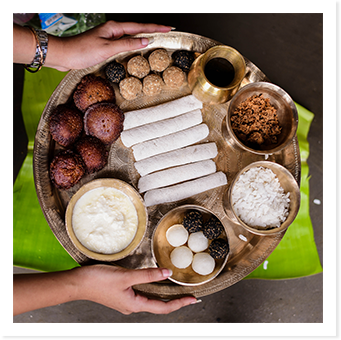
A symphony of balance: aromatic Joha rice encircled by Khar, Mati Mahor Daal, stir-fried Xaak, crispy fritters (Bor), Aloo Pitika, river fish curry, and Kaji Nemu.
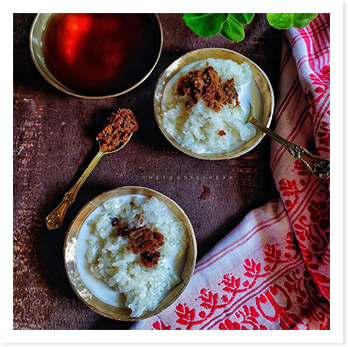
Endowed with the mighty river and backyard ponds (Pukhuri), species like Puthi, Dorikona, Goroi, Kawoi, Muwa, and Rou offer infinite delicious preparations.
During Magh and Rongali Bihu, village kitchens fill with the heavenly aromas of roasted sesame, freshly milled rice flour, and bubbling date-palm molasses.
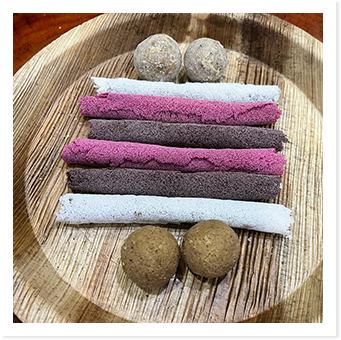
Making authentic Assamese pithas requires consummate patience and manual dexterity. Rolled, steamed, or deep-fried on iron griddles, they represent the sweetness of harvest joy and cultural hospitality.
Crispy cylindrical rolls of Bora rice crepe filled with roasted black sesame seeds and dark jaggery.
Chewy, deep-fried round rice cakes sweetened with jaggery and fragrant with cardamom.
Sticky rice batter stuffed inside green bamboo tubes and roasted over glowing fire embers.
Steamed rice flour cakes prepared over the mouth of an earthen pitcher (Tekeli) with grated coconut.
Crunchy spheres rolled from toasted sesame seeds and bubbling sugarcane syrup.
Melt-in-the-mouth sweet coconut laddoos made with fresh coconut and molasses.
From the world's most famous malty tea valley to ancient fermented rice nectars, Assam’s beverages carry profound ancestral significance.
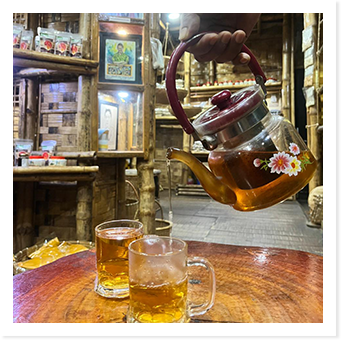
Long before commercial tea gardens were established in the 1830s, the indigenous Singpho community had perfected the world's earliest organic smoked tea. Wild centenarian tea leaves are pan-roasted, compressed firmly into seasoned bamboo cylinders, and cured above kitchen hearths (Dhuwa Chang) for months or years.
Enjoyed without milk or sugar, Falap brews into a clear, golden-amber cup with mesmerizing wood-smoke notes and remarkable digestive benefits.
Across Assam's indigenous tribes, meticulously crafted rice beers represent the pinnacle of hospitality, spiritual prayer, and harvest festivities.
The first ethnic brew in North East India granted a Geographical Indication tag. Brewed with glutinous Bora rice and medicinal bark of the Thaimei plant, yielding a naturally sweet, golden liquor.
Po:ro Apong is dark, amber, and smoky, brewed using charred rice straw ash (Opep). Nagin Apong is a refreshing white rice brew essential to the sacred Ali-Aye-Ligang festival.
Sacred Bodo rice wine prepared with herbal fermentation starter cakes called Amaw. Jou Bishi is sweet and light, while Jou Gishi is a stronger matured vintage.
Fermented using traditional herbal yeast cakes (Thap). It is revered as a holy libation poured to ancestors during Chomangkan death rituals and agricultural festivals.
A royal heritage recipe dating back to the Ahom Dynasty. Brewed from selected sticky rice and herbal starter cakes (Ru-Phor), presented during sacred Me-Dam-Me-Phi rites.
The Rabhas brew Matha Mod and Roshi Mod; the Deuris prepare Suje for Bohag Bihu; the Hajongs cherish Jatha Kasa, and the Garos serve Chu.
Assam’s fertile floodplains nurture an astonishing bounty of wild foraged greens. Eating Saat Xaak (7 greens) during Rongali Bihu and gathering 101 wild greens during Goru Bihu is practiced to build seasonal cellular immunity.
Tender fiddlehead ferns collected from damp riverbanks. Sautéed with dried chillies, soaked chickpeas, or tiny river prawns.
Asiatic pennywort celebrated for cognitive sharpness and soothing gut inflammation. Prepared in restorative light fish broths.
Skunk vine known as a powerful natural stomach remedy. Cooked with tiny Magur fish or pan-fried into medicinal fritters.
Iron-dense wild green amaranth. Sautéed simply with cold-pressed mustard oil and crushed garlic cloves as an everyday side.
Pungent fish mint with anti-bacterial qualities. Eaten raw in spicy salads or stewed gently with freshwater fish steaks.
Ancient Ayurvedic memory-boosting herb. Lightly cooked with potatoes or clarified butter for cognitive vitality.
The state fruit of Assam. Elliptical, seedless, and bursting with aromatic oils. A single slice elevates every meal.
The legendary Ghost Pepper. Used sparingly in fiery chutneys, slow-cooked pork stews, and traditional mustard pickles.
Dining in Assam is an ancestral journey designed to balance the body's energies. Food is served on handcrafted Sarthebari Bell-Metal Plates (Kanh Kahi) and enjoyed in sequential harmony:
Key insights for culinary travelers and diners exploring Assamese food culture.